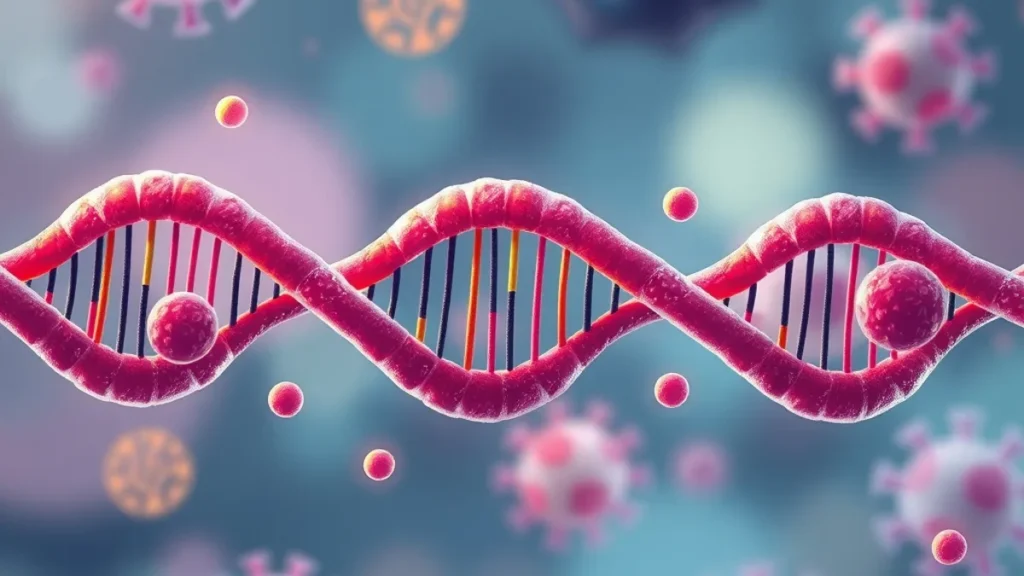
In a significant breakthrough for reproductive biology published in the journal Science, researchers have engineered a molecular system that stabilizes chromosomes in aging mammalian eggs. The synthetic protein system, characterized by biomedical researchers as a targeted molecular glue, successfully prevents premature chromosome separation in mouse oocytes, directly addressing one of the primary drivers of age-related infertility and chromosomal abnormalities.
Molecular Cohesion Decay and the Mechanics of Oocyte Aging
At the center of female reproductive aging lies a structural breakdown occurring at the microscopic level within the oocyte, or egg cell. Unlike sperm, which are continuously produced throughout a male’s adult life, mammalian eggs are formed during embryonic development and remain suspended in a state of meiotic arrest for months in mice and for several decades in humans. Throughout this prolonged dormant phase, sister chromatids—the duplicate strands of DNA that must separate precisely during cell division—are held together by a ring-shaped protein complex known as cohesin.
As females age, these cohesin complexes gradually degrade and cannot be effectively replenished by the cell. As reported by STAT and detailed in Science, this loss of chromosomal cohesion compromises the mechanical integrity needed to hold chromosome pairs intact until the egg undergoes maturation. When an aged oocyte resumes meiosis during ovulation or in vitro maturation, the weakened cohesin structure frequently fails, causing sister chromatids to detach prematurely—a phenomenon known as premature separation of sister chromatids (PSSC).
When chromosomes separate prematurely or asynchronously, the resulting egg cell ends up with an abnormal number of chromosomes, a condition termed aneuploidy. In human clinical settings, maternal age-related aneuploidy is the leading cause of failed in vitro fertilization (IVF) attempts, early pregnancy loss, and congenital genetic conditions such as Down syndrome (trisomy 21). As public interest in human biology and biological age preservation continues to grow—evidenced by widespread fascination with memory and cellular decay, such as when a Missing Maryland man with Alzheimer’s found playing piano in Philadelphia drew national attention to neurodegenerative longevity—scientists have increasingly turned their focus to reversing or halting cellular decay within the mammalian reproductive tract.
Engineering the Synthetic Protein Glue in Mouse Oocytes
To counteract the degradation of natural cohesin, a research team based in Germany engineered a synthetic protein system designed to act as artificial molecular glue. According to coverage from Bioengineer.org and Medical Xpress, the engineered cohesion construct was developed to selectively bind to chromosomal regions where endogenous cohesin has deteriorated, reinforcing the mechanical linkage between chromatids without permanently locking them together.
The experimental setup utilized mouse oocytes from older females, which naturally exhibit high rates of chromosomal missegregation comparable to those observed in human eggs from older individuals. Researchers introduced the synthetic cohesion system into the aged eggs using microinjection techniques, allowing the protein constructs to express and localize directly to the centromeric regions and chromosome arms.
The engineered system works by physically bridging the gap between chromatids, mimicking the clamping function of the native cohesin ring complex. Crucially, the synthetic system was engineered to respond to the cell’s natural division signals, ensuring that while it maintains cohesion during the initial phases of meiosis, it remains capable of controlled release when the cell is ready to complete division. This precision design addresses a historic challenge in reproductive engineering: preventing premature separation while avoiding the opposite error of failed chromosome segregation.
Restoring Chromosomal Integrity and Preventing Aneuploidy Rates
The experimental results published in Science demonstrated a dramatic reduction in meiotic errors among treated mouse oocytes. Aged eggs equipped with the engineered molecular glue exhibited chromosome alignment and stability patterns resembling those of young, healthy control eggs. By physically stabilizing the chromatids, the treatment successfully prevented the premature drift of chromosomes prior to the first meiotic division.
Analysis of spindle assembly dynamics confirmed that the synthetic glue helped restore proper kinetic tension across kinetochores—the protein structures where cellular fibers pull chromosomes apart. In untreated aged eggs, the lack of cohesion reduces kinetic tension, confusing the cell’s internal error-detection mechanisms (the spindle assembly checkpoint) and leading to chaotic chromosome distribution. The introduction of the artificial cohesion system restored this necessary tension, enabling the cellular machinery to align chromosomes accurately at the metaphase plate.
According to UA.NEWS and original reports in STAT, the treatment significantly lowered the incidence of aneuploid eggs resulting from meiotic division. By maintaining structural cohesion until the precise biochemical signal for separation is triggered, the synthetic system successfully mitigated the cascade of errors typically seen in aged mammalian reproductive cells.
Translational Challenges and Clinical Relevance for Human IVF
While the findings represent a landmark achievement in basic reproductive science, researchers and clinical specialists emphasize that translating the technology from mouse models to human fertility clinics presents substantial technical and regulatory hurdles. Mouse oocytes provide an invaluable proxy for mammalian meiosis, but human egg maturation spans decades rather than months, introducing additional metabolic and structural complexities.
In human assisted reproductive technology (ART), introducing engineered protein systems would require rigorous validation to ensure non-toxicity, precise timing, and zero long-term genomic instability. Potential therapeutic delivery avenues could include injecting synthetic protein complexes or messenger RNA (mRNA) encodings directly into mature oocytes during standard IVF procedures, particularly during in vitro maturation (IVM) protocols.
However, clinicians must ensure that any artificial tethering mechanism degrades cleanly during Anaphase I and Anaphase II. If the synthetic molecular glue binds too tightly or fails to respond to separase—the natural enzyme responsible for cleaving cohesion during cell division—the egg could suffer from non-disjunction, where chromosomes fail to separate entirely. Researchers are currently focusing on refining the bio-reversible properties of the synthetic glue to guarantee seamless compatibility with human cellular enzymatic triggers.
Societal Demographics, Reproductive Longevity, and Healthcare Economics
The scientific milestone arrives at a time of profound demographic shifts across industrialized nations. In the United States and globally, the average age of first-time motherhood has risen steadily over the past several decades, driven by educational attainment, career progression, and evolving social dynamics. In major urban centers across North America and Europe, a growing proportion of women seek to conceive in their late 30s and early 40s—an age window where biological egg quality declines sharply.
This demographic trend has driven explosive growth in the assisted reproduction market, which encompasses IVF, preimplantation genetic testing (PGT), and oocyte cryopreservation (egg freezing). Despite technological refinements in culture media and genetic screening, overall live-birth success rates for IVF drop significantly for patients over 35, primarily due to maternal age-related aneuploidy. The development of therapies that directly restore the structural integrity of aging eggs could potentially improve the efficiency of IVF cycles, reducing the emotional, physical, and financial toll on prospective parents.
The public conversation surrounding family planning, health span, and life milestones often intersects with seasonal reflections. As families gather across the nation this holiday season—whether tuning into traditional sports broadcasts like the Lions depth chart update for Thanksgiving matchup against Bears or revisiting generational traditions like reviewing Melania Trump’s White House Christmas Cards Through the Years—advancements in reproductive longevity highlight how biotechnology is expanding the horizons of family planning and biological preservation.
If validated in human clinical trials, engineered molecular cohesion could transform fertility preservation strategies. Rather than relying solely on early egg freezing, patients might one day have access to therapeutic interventions that rehabilitate aged oocytes in real time during assisted reproduction, bridging the gap between biological aging and modern reproductive choices.
Health Disclaimer: This article is for informational and educational purposes only and does not constitute medical advice, diagnosis, or treatment. Readers seeking guidance on fertility, reproductive health, or medical procedures should consult a qualified healthcare provider.
Sources and Reporting
- Science | AAAS: An engineered cohesion system reduces errors in aged mammalian eggs
- STAT: In a fertility advance, engineered molecular glue stabilizes chromosomes in aging eggs
- Bioengineer.org: Engineered Protein System Restores Chromosome Connections in Aging Mouse Eggs
- Medical Xpress: An engineered 'glue' for aged eggs could prevent premature chromosome separation
- UA.NEWS: Germany stabilizes chromosomes in aging mouse eggs — STAT News
Editorial note: This article was drafted with the assistance of artificial intelligence from publicly available reporting and passed automated editorial checks. The illustration is AI-generated and does not depict a real event or real people. Spotted an error? Email [email protected] or read our Corrections Policy and Editorial Policy.