In a study published Wednesday, November 11, 2026, in the journal Nature, biomedical researchers unveiled a novel therapeutic strategy that uses engineered “domain-alteration chimeras”—specialized molecular braces designed to physically lock and rewire cancer-driving protein complexes—suppressing prostate tumor growth in preclinical tests and exposing a critical structural vulnerability in hard-to-treat cancers.
The Molecular Engineering Behind Domain-Alteration Chimeras
At the center of the discovery lies a fundamental challenge in cancer biology: how to neutralize multi-protein machines that drive malignant growth when traditional drugs hit a therapeutic dead end. Prostate cancer cells rely on intricate networks of transcription factors and co-activator proteins—known as oncogenic complexes—to signal uncontrolled cell division, suppress programmed cell death, and evade natural cellular defenses. For decades, targeted oncology therapies have primarily functioned like traditional keys inserted into individual locks, seeking out small active binding pockets on single isolated proteins to block their enzymatic activity.
However, cancer cells frequently adapt to single-target pharmaceuticals by mutating those active binding sites or recruiting secondary signaling proteins to bypass the blocked pathway. As detailed in the Nature study and highlighted by scientific outlet Bioengineer.org, the research team bypassed this evolutionary evasion strategy by developing “domain-alteration chimeras.” Rather than trying to shut down a single protein subunit, these bi-functional engineered molecules are designed to interact simultaneously with two distinct protein components within an active oncogenic complex.
By attaching to separate domains on adjacent proteins, the chimeric molecule acts as a rigid molecular brace. This physical constraint forces the targeted proteins into an unnatural spatial orientation, fundamentally altering how their functional domains interact with one another. Rather than merely occupying a binding pocket, the chimera re-engineers the physical architecture of the oncogenic complex, rewiring its internal mechanics so that it can no longer interact with cellular DNA or activate the transcriptional pathways that keep tumor cells alive.
Trapping Oncogenic Protein Complexes in Preclinical Testing
The efficacy of this spatial manipulation strategy was evaluated across rigorous laboratory models. According to reporting by Medical Xpress and SciTechDaily, researchers tested the domain-alteration chimeras against human prostate cancer cell lines as well as animal xenograft models—mice implanted with patient-derived prostate cancer tissue—to determine whether physical structural rewiring could translate into tangible anti-tumor performance.
In traditional targeted cancer therapies, inhibiting one part of an oncogenic protein complex often leaves remaining domain surfaces free to recruit secondary co-factors, allowing cancer cells to survive under therapeutic stress. The domain-alteration chimera circumvents this failure mechanism by converting the physical proximity of the two oncogenic proteins into a structural trap. When the synthetic molecular brace engages both targets, it clamps them into a locked configuration that physically prevents the complex from binding to downstream genomic target sites.
Preclinical quantitative analyses revealed that treatment with these chimeric constructs yielded a pronounced decrease in tumor cell viability and a dramatic reduction in tumor growth rates in animal models. Advanced molecular profiling confirmed that the chimeras disrupted the specific transcriptomic signatures responsible for prostate cancer cell proliferation. Crucially, as noted in Bioengineer.org, the preclinical experiments demonstrated high target selectivity, suppressing malignant cell growth while leaving normal, non-cancerous tissues largely uninjured by the molecular bracing mechanism.
Overcoming Resistance Barriers in Advanced Prostate Cancer
The development of domain-alteration chimeras comes at a critical time in clinical oncology. Prostate cancer remains the second most common cause of cancer death among men in the United States, according to data from the Centers for Disease Control and Prevention (CDC) and the American Cancer Society. While localized prostate cancer can often be managed successfully with surgical intervention, radiation therapy, or standard androgen deprivation therapies, advanced stages of the disease present far steeper therapeutic obstacles.
In advanced cases, particularly metastatic castration-resistant prostate cancer (mCRPC), tumors frequently develop resistance to frontline anti-androgen medications such as enzalutamide or abiraterone. When denied circulating male hormones, aggressive prostate cancer cells adapt by overexpressing androgen receptors, creating splice variants, or shifting reliance toward auxiliary oncogenic protein networks that perpetuate cell survival independently of baseline hormone levels. As reported by Tomorrow’s World Today, finding ways to disrupt these resistant, multi-protein complexes has become one of the highest priorities in contemporary cancer research.
The discovery of what SciTechDaily characterized as a “hidden weakness” in the structural assembly of these oncogenic complexes offers a viable blueprint for overcoming treatment resistance. By targeting the spatial geometry of protein-protein interactions rather than depending solely on hormonal signaling pathways or single-pocket inhibitors, domain-alteration chimeras provide a therapeutic avenue capable of disarming cancer cells that have already mutated past conventional drug modalities.
Spatial Biology and the Paradigm Shift in Targeted Oncology
The scientific framework behind domain-alteration chimeras reflects a broader shift taking place across biopharmaceutical research. For decades, drug discovery was dominated by small molecules designed to fit tightly into defined enzymatic active sites. Over the last decade, however, structural biology has expanded into proximity-induced pharmacology—an approach exemplified by Proteolysis Targeting Chimeras (PROTACs) and molecular glues, which bring target proteins into close physical contact with cellular disposal machinery to degrade them entirely.
Domain-alteration chimeras represent a sophisticated evolution of this paradigm. Instead of directing target proteins toward cellular degradation pathways, this strategy uses synthetic molecules to force a structural redesign of active protein complexes in situ. By altering domain alignment without necessarily requiring immediate protein destruction, researchers can fine-tune cellular machinery, neutralizing pathogenic signaling pathways with extreme structural precision.
This approach holds profound implications for targets previously labeled “undruggable.” Historically, broad classes of transcription factors and non-enzymatic structural proteins were considered beyond the reach of standard pharmacology because they lacked deep, well-defined binding pockets. By demonstrating that engineered chimeric braces can systematically alter protein domain interactions on flat, expansive molecular surfaces, the Nature study opens up new possibilities for targeting complex multi-protein drives across a wide array of human malignancies beyond prostate cancer.
From Benchtop Discovery to Clinical Translation Challenges
While the findings published in Nature mark a significant milestone in structural oncology, biomedical experts emphasize that translational hurdles must be navigated before domain-alteration chimeras can be evaluated in human clinical trials. Moving a drug candidate from preclinical mouse models to human therapeutics requires extensive refinement of pharmacokinetics, biological stability, and drug delivery systems.
Because domain-alteration chimeras are complex bio-engineered entities, ensuring that they can navigate systemic circulation, penetrate solid tumor tissue, and enter cancer cell membranes efficiently remains a primary technical focus. Researchers must demonstrate that these chimeric molecules remain stable in the human bloodstream long enough to reach their targets without being filtered out rapidly by the kidneys or degraded by systemic enzymes.
The immediate road map for this research involves comprehensive pharmacological optimization and formal toxicology studies, steps required prior to filing an Investigational New Drug (IND) application with the U.S. Food and Drug Administration (FDA). If safety, bio-distribution, and manufacturing consistency under Good Manufacturing Practice (GMP) standards are validated in upcoming studies, clinical trials evaluating phase 1 safety in patients diagnosed with resistant prostate cancer could begin in the coming years, marking the transition of domain-alteration engineering from a laboratory breakthrough into clinical practice.
This article is for informational purposes only and does not constitute medical advice, diagnosis, or treatment recommendations. Individuals seeking medical guidance regarding prostate cancer or other health conditions should consult qualified healthcare professionals.
Sources and Reporting
- Nature: Domain-alteration chimeras rewire oncogenic complexes in prostate cancer
- SciTechDaily: Scientists Discover a Hidden Weakness in Prostate Cancer That Could Transform Treatment
- Medical Xpress: Molecular brace traps two cancer-driving proteins to suppress prostate cancer growth in preclinical tests
- Bioengineer.org: Domain-Alteration Chimera Strategy Suppresses Prostate Tumor Growth in Preclinical Tests
- Tomorrow's World Today: New Anti-Cancer Therapeutic Strategy Shows Promise
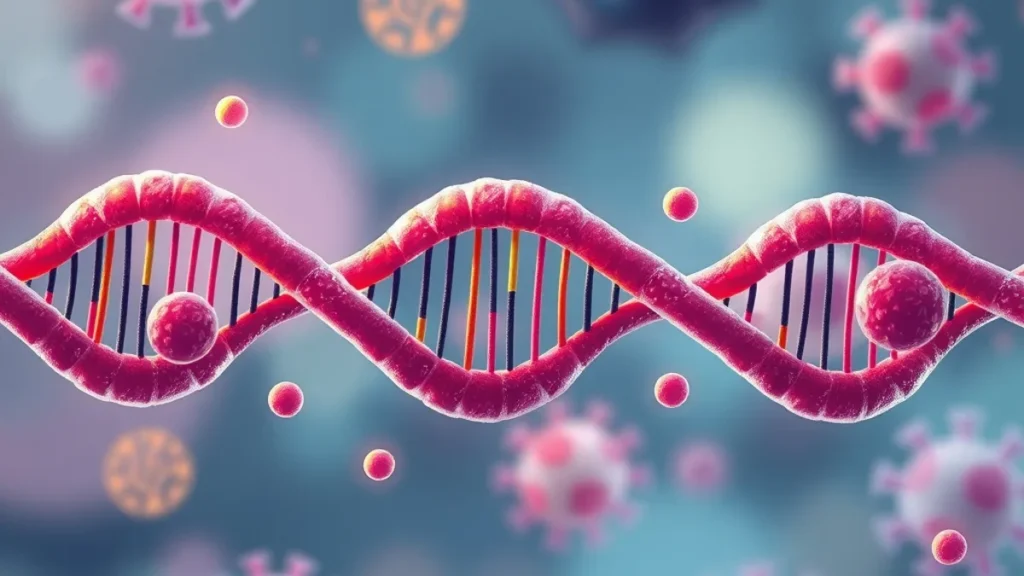
Editorial note: This article was drafted with the assistance of artificial intelligence from publicly available reporting and passed automated editorial checks. The illustration is AI-generated and does not depict a real event or real people. Spotted an error? Email [email protected] or read our Corrections Policy and Editorial Policy.