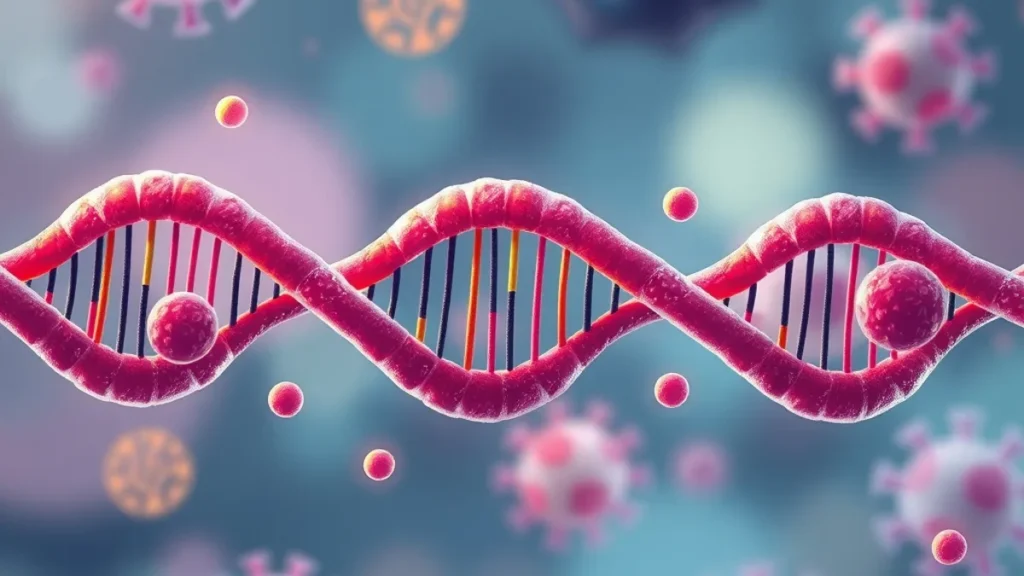
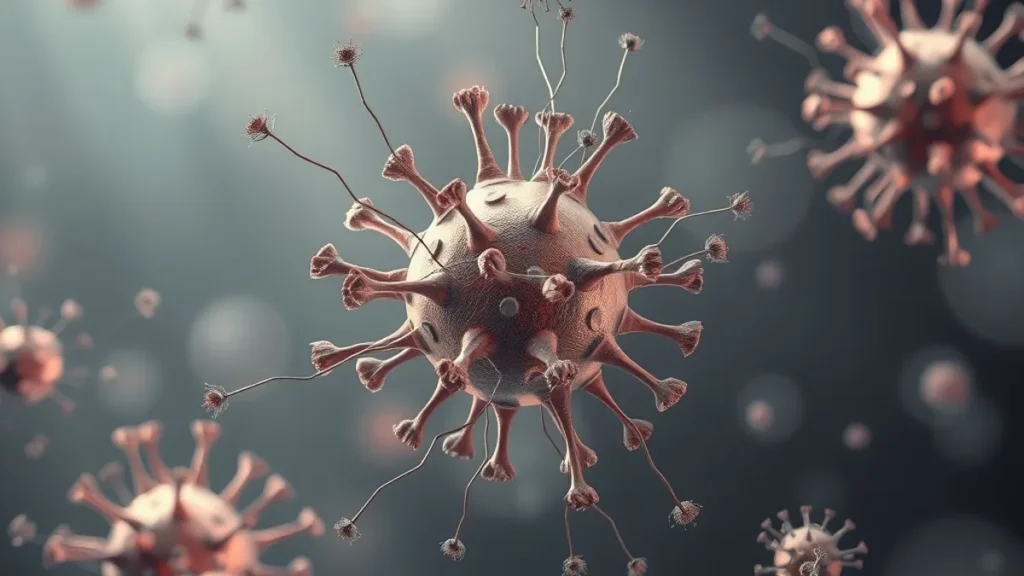
As winter pathogens begin circulating across the United States in late November 2026, public health guidance from leading medical institutions and regulatory agencies reinforces a surprising scientific reality: conventional plain soap and water remains superior to chemical antibacterial soap for daily consumer handwashing and infectious disease prevention.
The Chemical Mechanism Behind Mechanical Cleansing and Antimicrobial Agents
To understand why plain soap matches or exceeds the performance of specialized antibacterial formulas, one must examine the fundamental physical chemistry of hand washing. Conventional soap is composed of amphiphilic surfactant molecules, which possess dual chemical properties. One end of the molecule is hydrophilic, attracting water, while the opposite end is lipophilic, binding to lipids, oils, and non-polar organic matter. When applied to wet hands and rubbed vigorously, soap molecules surround microscopic dirt, grease, and biological pathogens, assembling into microscopic structures called micelles. These micelles encapsulate viruses, bacteria, and debris, allowing them to be effortlessly rinsed down the drain with running water.
This process is entirely mechanical. Plain soap does not need to kill bacteria or destroy biological cell walls to achieve complete decontamination; it simply dislodges micro-organisms from the dermal tissue and washes them away. In contrast, antibacterial soaps incorporate specific chemical active ingredients—most commonly quaternary ammonium compounds such as benzalkonium chloride, benzethonium chloride, or chloroxylenol—designed to physically disrupt bacterial cell membranes or inhibit metabolic enzymes within single-celled organisms.
However, medical microbiologists emphasize that this chemical intervention adds negligible utility in domestic settings. The primary infectious threats encountered during seasonal public health spikes, including influenza, respiratory syncytial virus (RSV), norovirus, and coronaviruses, are viral pathogens rather than bacteria. Because antibacterial chemicals target bacterial cellular structures, they exert zero metabolic toxicity against viruses. The viral envelope is instead disrupted mechanically by the surfactant nature of plain soap itself, rendering expensive antimicrobial additives functionally redundant for everyday protection.
Regulatory History and the Food and Drug Administration’s Landmark Bans
The consumer market for antibacterial hand hygiene shifted dramatically following federal regulatory intervention by the U.S. Food and Drug Administration (FDA). In September 2016, the FDA issued a binding final rule that banned 19 specific active antibacterial ingredients from over-the-counter consumer washing products. The restriction focused heavily on triclosan, a synthetic antimicrobial agent widely utilized in liquid hand soaps, and triclocarban, a chemical additive prevalent in bar soaps. The regulatory mandate required manufacturers to remove these products from retail shelves after chemical corporations failed to provide conclusive evidence that the additives were safe for long-term daily human use or demonstrably more effective than plain soap and water at reducing illness transmission.
Prior to the 2016 ruling, triclosan had become ubiquitous in American households, despite growing concern within the scientific community regarding bioaccumulation and endocrine disruption. Laboratory animal studies conducted during the early 2010s demonstrated that chronic exposure to high concentrations of triclosan altered thyroid hormone regulation and altered reproductive signaling pathways. Furthermore, environmental monitoring by the U.S. Geological Survey detected persistent trace concentrations of triclosan in municipal wastewater treatment outputs, river systems, and aquatic wildlife, highlighting widespread environmental contamination resulting from routine domestic handwashing.
While the FDA deferred rulemaking on three specific active ingredients—benzalkonium chloride, benzethonium chloride, and chloroxylenol—to allow manufacturers time to conduct voluntary clinical trials, ongoing evaluations continue to show no statistically significant reduction in community acquired gastrointestinal or respiratory infections when comparing antibacterial formulations to basic soap. Federal regulators continue to monitor biocide safety profiles, warning that everyday consumer use of systemic antibacterial agents lacks empirical clinical justification.
The Growing Threat of Antimicrobial Resistance and Skin Microbiome Disruption
Beyond regulatory concerns and environmental runoff, infectious disease specialists warn that the widespread domestic use of antibacterial soap contributes directly to global public health hazards, notably antimicrobial resistance (AMR). When population-wide exposure to chemical biocides occurs at sub-lethal concentrations—as frequently happens when consumers rinse antibacterial soap off after only a few seconds—surviving bacterial strains can develop physiological mutations. These defensive adaptations can confer cross-resistance to vital prescription antibiotics used in clinical medicine, narrowing treatment options for severe systemic infections.
Epidemiologists working alongside the World Health Organization (WHO) and the Centers for Disease Control and Prevention (CDC) view AMR as one of the defining medical threats of the twenty-first century. Overusing chemical disinfectants in low-risk home environments accelerates evolutionary selective pressure on microbial populations, facilitating the proliferation of multi-drug resistant superbugs like methicillin-resistant Staphylococcus aureus (MRSA) within community reservoirs.
Simultaneously, dermatologists highlight the localized biological damage caused by aggressive antibacterial cleansers on human skin. Healthy human epidermis host a rich, complex ecosystem known as the cutaneous microbiome, comprising beneficial bacteria such as Staphylococcus epidermidis and various Corynebacterium species. This natural microbial layer forms a primary immunological defense line, physically occupying ecological niches and secreting antimicrobial peptides that inhibit pathogenic bacteria from establishing infection.
Routine application of harsh antibacterial soaps strips the skin of its essential lipid barrier and decimates beneficial natural microflora. This chemical disruption frequently results in irritant contact dermatitis, characterized by chronic dryness, redness, and micro-fissuring of the skin. Paradoxically, these microscopic cracks in damaged skin provide opportunistic pathogens with an entry vector directly into the bloodstream, increasing an individual’s vulnerability to secondary cutaneous infections.
Navigating Seasonal Illnesses and Public Health Hygiene Protocols
As public health agencies emphasize proper hygiene routines during peak autumn and winter illness cycles, experts continuously stress technique over product selection. Effective decontamination depends almost entirely on mechanical friction and duration rather than chemical potency. According to standardized CDC guidelines, proper handwashing requires wetting hands with clean, running water, applying plain soap, and vigorously scrubbing all hand surfaces—including the backs of the hands, between the fingers, and underneath the fingernails—for at least 20 seconds before rinsing thoroughly.
This simple mechanical routine is vital as families navigate holiday gatherings and increased indoor social exposure. Maintaining seasonal immune resilience and general physical health requires comprehensive lifestyle attention, ranging from proper sanitation habits to dietary mindfulness. Readers seeking to safeguard their family’s health throughout the festive period can review key Health tips to avoid holiday heart syndrome after Thanksgiving dinner to protect cardiovascular and metabolic wellness alongside routine pathogen control.
When clean running water and conventional soap are unavailable, public health authorities recommend utilizing an alcohol-based hand sanitizer containing a minimum of 60 percent ethanol or 70 percent isopropanol. Alcohol-based sanitizers rapidly denature proteins and dissolve lipid membranes of most common viruses and vegetative bacteria without leaving persistent biocide residues that foster chemical resistance. However, public health experts note that alcohol sanitizers are inefficient against non-enveloped viruses like norovirus and spore-forming bacteria such as Clostridioides difficile, making traditional friction handwashing with plain soap and water the unrivaled gold standard for domestic sanitation.
Consumer Psychology and the Commercial Marketing of Hygienic Security
Despite definitive medical consensus favoring plain soap, commercial sales of antibacterial products remain substantial across North America. Consumer behavior experts attribute this persistent retail demand to deeply ingrained psychological drivers, aggressive historic marketing campaigns, and post-pandemic anxiety surrounding environmental contamination. For decades, commercial advertising portrayed non-antibacterial soaps as inadequate, embedding the false premise that clean surfaces require total biological sterilization.
This phenomenon reflects broader societal trends where complex technical jargon and specialized product claims influence public perception, often obscuring basic scientific facts. In contemporary consumer culture, individuals frequently analyze technical metrics in electronic consumer goods—whether examining international trade policy shifts such as Bessent: No New Restrictions on Nvidia Chip Exports to China or evaluating processing limits detailed in a GTA 6 on Xbox Series S: Performance Insights and Technical Analysis—yet remain susceptible to pseudoscientific marketing when purchasing everyday health supplies.
Sociological research indicates that consumers often conflate the feeling of safety with chemical intensity. Terms like “antibacterial,” “germ-shield,” or “clinical defense” on product packaging trigger a cognitive bias known as the zero-risk illusion, leading shoppers to assume that extra chemical ingredients automatically provide enhanced biological protection. In reality, medical evidence demonstrates that routine domestic cleanliness does not require sterile environments, and striving for absolute sterility in the home is both impossible and biologically counterproductive.
Clinical Settings versus Everyday Domestic Hygiene Best Practices
To avoid dangerous misunderstandings, public health officials clearly delineate between domestic hygiene protocols and clinical infection control procedures. In specialized medical environments—such as hospital intensive care units, surgical suites, oncology wards, and emergency departments—antiseptic hand washes containing clinical biocides like chlorhexidine gluconate or povidone-iodine are indispensable. Healthcare professionals treat severely immunocompromised patients and perform invasive medical maneuvers where minor bacterial contamination can trigger life-threatening nosocomial infections.
In clinical environments, the immediate danger of acute bacterial transmission during invasive medical care outweighs long-term concerns regarding microbiome disruption or environmental biocide buildup. Medical facilities operate under strict epidemiological protocols, monitoring antibiotic resistance patterns continuously and maintaining specialized ventilation, sterilization, and isolation standards.
For everyday life in residential homes, schools, offices, and retail establishments, clinical antiseptics are completely unnecessary. The microbial burdens encountered during daily domestic routines are efficiently managed by human innate immunity and standard friction cleansing. Switching to plain, fragrance-free bar or liquid soap combined with proper 20-second handwashing protocols provides optimal protection against winter illnesses without harming the skin barrier, contaminating municipal water supplies, or driving global antimicrobial resistance.
Disclaimer: This article is for informational and educational purposes only and does not constitute formal medical advice, diagnosis, or treatment. Individuals seeking specific guidance regarding dermatological conditions, infectious disease management, or personal hygiene protocols should consult a qualified healthcare professional.
Sources and Reporting
Editorial note: This article was drafted with the assistance of artificial intelligence from publicly available reporting and passed automated editorial checks. The illustration is AI-generated and does not depict a real event or real people. Spotted an error? Email [email protected] or read our Corrections Policy and Editorial Policy.