The New York State Department of Environmental Conservation has enacted emergency wildlife management protocols following the confirmed presence of chronic wasting disease in a wild deer in Livingston County. The discovery marks a critical shift in regional conservation strategy, prompting neighboring state agencies across Vermont and New England to issue heightened biosecurity warnings to hunters.
Epidemiological Shift in Upstate New York: The Livingston County Detection
The confirmation of chronic wasting disease (CWD) in a white-tailed deer in Livingston County, located in western New York’s Finger Lakes region, has mobilized wildlife biologists and state authorities across the northeastern United States. As reported by local news outlet WHEC.com and regional broadcaster Spectrum News, the diagnosis represents a troubling milestone for New York’s Department of Environmental Conservation (DEC), which has maintained rigorous surveillance programs to keep the fatal neurological infection out of the state’s wild cervid populations.
Historically, New York was considered one of the few success stories in chronic wasting disease containment. In 2005, following a localized outbreak linked to captive deer facilities in Oneida County, swift intervention by state agencies successfully suppressed the pathogen, preventing its establishment in the wild herd for more than two decades. The recent detection in Livingston County shatters that long-standing equilibrium, signaling that the pathogen has established a fresh foothold within the state’s free-ranging white-tailed deer population.
The timing of the discovery coincides with the opening of peak autumn hunting seasons, a period during which hundreds of thousands of licensed hunters enter New York’s forests and agricultural lands. Wildlife managers emphasize that white-tailed deer (Odocoileus virginianus) are fundamental to the ecological health of the region’s temperate broadleaf forests and support a multi-million-dollar outdoor recreation economy. The intrusion of an incurable, highly contagious agent into this landscape threatens not only herd dynamics but also long-cherished cultural traditions tied to autumnal harvests across the American Northeast.
Cellular Pathology and the Environmental Persistence of Prions
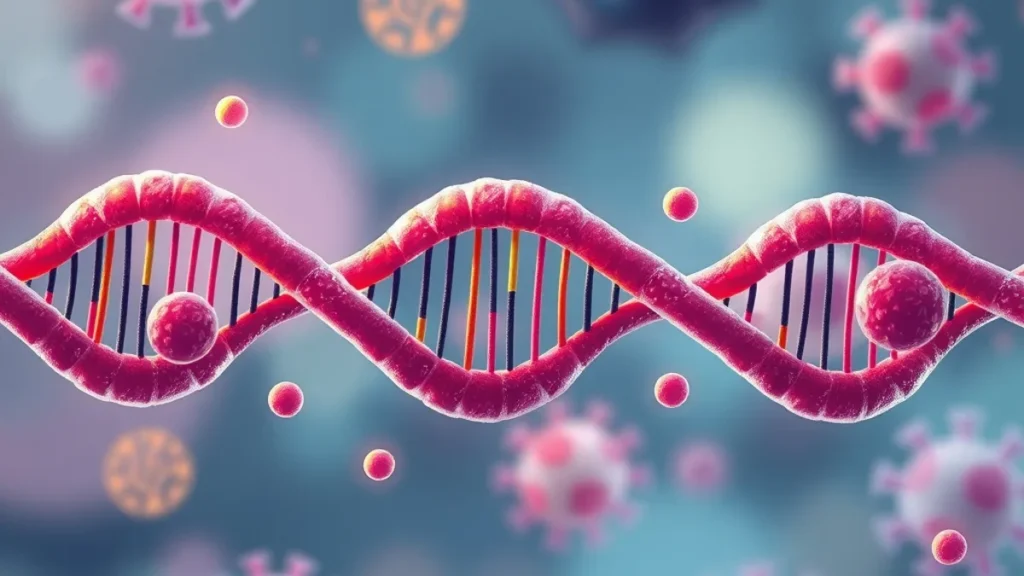
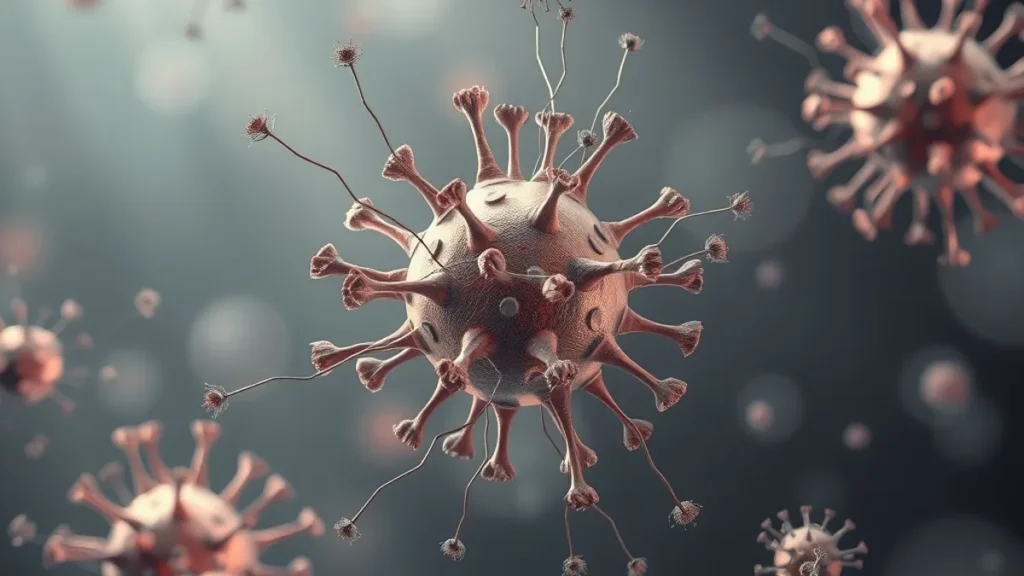
To understand the gravity of the Livingston County diagnosis, one must examine the atypical nature of the causative agent. Chronic wasting disease belongs to a class of fatal neurodegenerative conditions known as transmissible spongiform encephalopathies (TSEs), which also includes bovine spongiform encephalopathy (commonly called mad cow disease) in cattle and scrapie in sheep. Unlike infections driven by bacteria, viruses, or fungi, CWD is caused by prions—misfolded variants of naturally occurring cellular proteins found predominantly in the central nervous system.
When an abnormal prion enters a healthy host, it acts as a conformational template, inducing normal host proteins to misfold into the same destructive structure. Over an extended incubation period ranging from 18 to 24 months, these misfolded proteins aggregate within the brain and spinal cord, creating microscopic, sponge-like holes in the tissue. Affected animals gradually exhibit behavioral changes, progressive loss of bodily functions, severe weight loss, excessive salivation, disorientation, and an ultimate loss of fear toward humans—symptoms that have led popular culture to dub the condition “zombie deer disease.”
From an epidemiological perspective, the most formidable characteristic of CWD is its environmental persistence. Infected animals shed prions in their saliva, urine, feces, blood, and velvet antler tissue long before exhibiting clinical symptoms. Once deposited into the landscape, prions bind tightly to clay minerals in the soil, remaining infectious for years or even decades. They resist standard methods of decontamination, including high-heat incineration, freezing, chemical disinfectants, and ultraviolet radiation. Consequently, once CWD becomes endemic within a wild population, total eradication is widely considered impossible by modern veterinary science.
Tactical Emergency Regulations: DEC Mandates for Hunters and Processors
In response to the confirmed case in Livingston County, the New York DEC has issued immediate regulatory adjustments designed to slow the potential spread of the disease beyond the immediate containment zone. As detailed by regional media outlets, including the Niagara Gazette and WHEC.com, the state has instituted a mandatory CWD Management Zone surrounding the affected radius in Livingston County, bringing stringent mandates for game handling, transportation, and testing.
Under the newly enacted DEC framework, hunters harvesting deer within the designated management zone must submit animal heads to designated biological check stations for diagnostic testing. The state has prohibited the movement of high-risk carcass parts—specifically the brain, spinal cord, eyes, spleen, tonsils, and lymph nodes—outside of the containment area. Hunters are instructed to quarter harvested game in the field or utilize certified local game processors, leaving intact spinal columns and craniums within the containment zone to prevent introducing the infectious protein to uninfected counties.
Furthermore, the DEC has reaffirmed its strict prohibition on the use of natural deer urine-based scents and lures. Because commercial urine lures are often collected from captive deer facilities—where CWD risks are statistically elevated—they pose a documented risk of introducing prions into uncontaminated soils. The state is also appealing to taxidermists and commercial venison processors to adhere to specialized sanitation standards, requiring the disposal of inedible animal remains in certified, lined landfills capable of isolating potential biological hazards from groundwater systems.
Border Controls and the Regional Multi-State Wildlife Network
The ecological reality of wildlife corridors means that state lines offer no barrier to infectious diseases. The discovery in western New York has reverberated throughout the broader region, triggering immediate defensive measures in neighboring jurisdictions. In Vermont, state wildlife officials issued formal public health and biosecurity advisories urging local hunters traveling across state lines to exercise extreme caution, as reported by outlets such as VTDigger and local news station WCAX.
The Vermont Fish and Wildlife Department warned residents who hunt in New York or other CWD-positive states that importing whole deer carcasses into Vermont is strictly illegal. Vermont law mandates that any cervid meat brought across state lines must be completely de-boned, packaged, and free of central nervous system tissue. Clean, taxidermy-ready skull plates and cape capes are permitted only if thoroughly disinfected and stripped of brain matter. Officials in Vermont noted that while the state’s wild herd remains free of CWD, the proximity of the New York detection elevates the systemic threat to northern New England’s forests.
Interstate collaboration between wildlife departments has become paramount. Wildlife agencies across New York, Vermont, Pennsylvania, and Massachusetts operate under shared surveillance networks, pooling diagnostic data and genetic sequencing to track the movement of deer herds. This multi-state coalition relies heavily on voluntary compliance from the hunting community. Authorities emphasize that hunters serve as the primary line of defense; without their active participation in submitting tissue samples and honoring transportation bans, tracking the silent spread of prions across the Appalachian corridor would be virtually impossible.
Zoonotic Risk Assessment and Public Health Precautions
As news of the Livingston County discovery circulates, public health authorities are addressing concerns regarding potential zoonotic transmission—the jump of a pathogen from animals to humans. To date, there have been no documented cases of chronic wasting disease infecting human beings. Experimental studies have shown mixed results regarding the species barrier; while CWD prions do not readily convert human prion proteins in standard laboratory models, some non-human primate studies have raised questions about potential susceptibility under specific conditions.
Both the U.S. Centers for Disease Control and Prevention (CDC) and the World Health Organization (WHO) maintain a clear policy regarding agricultural and wild food supplies: meat from animals tested positive for CWD, or showing any signs of neurodegenerative illness, must not be consumed by humans or domestic animals. The precaution is rooted in lessons learned from the European outbreak of variant Creutzfeldt-Jakob disease (vCJD) in the 1990s, which was established to be caused by human consumption of cattle products contaminated with bovine spongiform encephalopathy.
Health departments across New York State are advising hunters in Livingston County and adjacent areas to have their harvested game tested prior to consumption. Standard field procedures recommend wearing rubber or latex gloves when field-dressing game, minimizing the handling of internal organs, avoiding the use of household knives or electric saws that cut through bone and spinal cord tissue, and soaking butchering tools in a high-concentration bleach solution. While bleach does not completely destroy prions, it remains a recommended baseline practice alongside professional incineration of offal.
As New York navigates this environmental challenge, the focus remains on long-term stewardship and epidemiological control. The DEC has indicated that aggressive testing and public education campaigns will continue throughout the current hunting season and into the spring of 2027. By integrating rigorous scientific monitoring with community cooperation, conservationists hope to restrict the path of the pathogen and safeguard the ecological integrity of New York’s wilderness.
Reporting for this article was gathered from verified regional dispatches published by WHEC.com, Spectrum News, VTDigger, WCAX, and the Niagara Gazette. This article is provided for informational and educational purposes only and does not constitute medical, veterinary, or regulatory compliance advice.
Sources and Reporting
- WHEC.com: DEC adds new requirements after chronic wasting disease found in Livingston County deer
- Spectrum News: DEC discovers rare disease in upstate New York deer
- VTDigger: Chronic wasting disease found in wild New York deer for first time in decades
- WCAX: Vermont wildlife officials warn hunters after chronic wasting disease found in New York
- niagara-gazette.com: THE GREAT OUTDOORS: Chronic wasting disease is here!
Editorial note: This article was drafted with the assistance of artificial intelligence from publicly available reporting and passed automated editorial checks. The illustration is AI-generated and does not depict a real event or real people. Spotted an error? Email [email protected] or read our Corrections Policy and Editorial Policy.