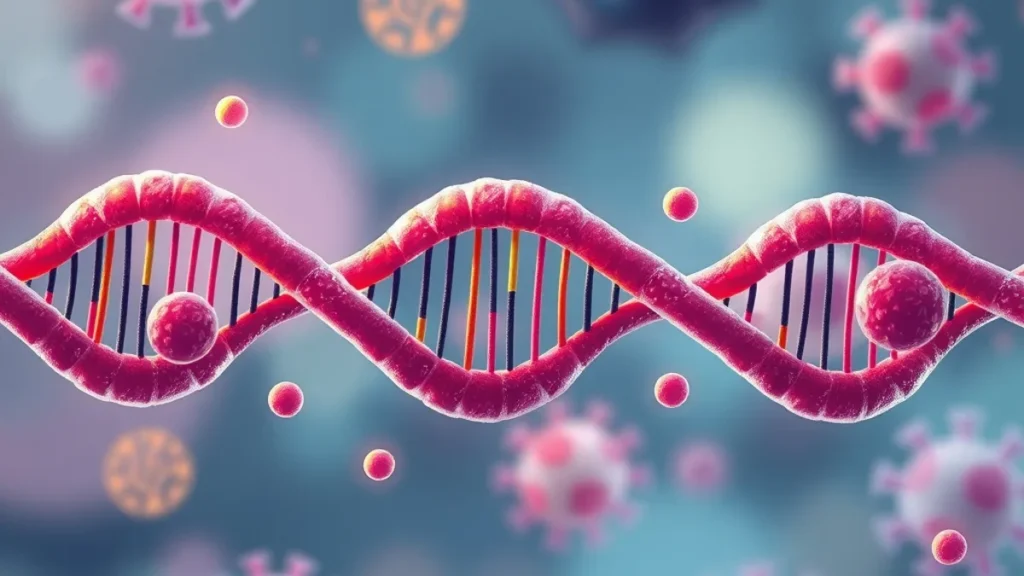
On Tuesday, November 3, 2026, global health systems marked a pivotal shift in preventative medicine as pilot programs began introducing multi-cancer early detection blood tests into routine primary care settings. Driven by breakthroughs in mass spectrometry, metabolic profiling, and circulating cell-free DNA analysis, these non-invasive liquid biopsies promise to identify dozens of distinct cancer types long before physical symptoms emerge or conventional imaging can detect a physical mass.
Primary Care Integration and the Horizon of Multi-Cancer Blood Screening
For decades, population-level cancer screening has relied on highly targeted, organ-specific modalities: mammograms for breast tissue, low-dose computed tomography for high-risk lung scans, Pap smears for cervical health, and colonoscopies for colorectal lesions. While effective, these methods leave the majority of human cancers—including aggressive pancreatic, ovarian, and stomach malignancies—without standardized screening protocols. As reported by the BBC, multi-cancer early detection (MCED) blood tests are now moving out of specialized research institutes and into frontline primary care settings, with general practice surgeries in select regions initiating early-stage clinical implementation trials.
The core promise of liquid biopsy technology lies in its capacity to evaluate broad systematic changes through a single peripheral blood draw. Rather than searching for a specific tumor mass, these tests examine circulating fluid for minute biological signals shed by aberrant cells. By deploying these diagnostics directly to general practitioners, public health authorities hope to capture asymptomatic malignancies during early stages when surgical intervention or localized therapies offer significantly higher cure rates. Early primary care deployments are intended to evaluate how seamlessly family physicians can interpret multi-organ risk scores and seamlessly route patients into secondary diagnostic pathways.
However, the transition from controlled clinical trials to general practice represents a monumental shift in clinical workflow. Primary care physicians must navigate complex risk stratification profiles provided by liquid biopsy platforms, which often indicate not just the presence of a malignant signal, but also a tissue-of-origin prediction directing clinicians toward specific organs for follow-up testing. As these pilot initiatives expand across international healthcare frameworks, health providers are closely monitoring how primary care teams manage patient communication, initial consultations, and downstream referral logistics.
From 9,000 Molecular Clues to Targeted Assays: Mass Spectrometry and Lipidomics
The technical foundation underpinning modern liquid biopsies has expanded rapidly beyond traditional genomic sequencing to encompass complex metabolic signatures. According to technical reporting from Chromatography Online, recent advances in mass spectrometry-driven lipidomics have enabled researchers to isolate diagnostic patterns from broad biochemical noise, distilling approximately 9,000 metabolic markers down to highly targeted, clinical-grade diagnostic panels.
While early liquid biopsy research focused predominantly on identifying fragments of mutated cell-free DNA (cfDNA) circulating in blood plasma, lipidomics examines the altered lipid metabolism characteristic of malignant transformation. Cancer cells rapidly modify their lipid biosynthesis to build cell membranes, fuel rapid proliferation, and facilitate inter-cellular signaling. Using high-resolution mass spectrometry coupled with liquid chromatography, bioanalytical chemists can identify subtle shifts in lipid species—such as specific phospholipids, sphingolipids, and triglycerides—that signal micro-environmental alterations caused by early-stage tumors.
By mapping thousands of metabolic variables and running them through machine-learning algorithms, diagnostic platforms can pinpoint tiny clusters of lipid anomalies specific to early-stage oncogenesis. The integration of lipidomics alongside genomic and epigenomic tracking provides a multi-omic profile of early malignancy. This multi-layered approach dramatically improves assay sensitivity, reducing false-negative rates in cancers that shed minimal circulating DNA into the bloodstream during their initial phases of growth.
The Eight-Year Pre-Clinical Window: Longitudinal Insights from Canadian Biobanks
One of the most compelling validations of early blood-based cancer detection comes from longitudinal biobanking studies. As reported by Hospital News, a major Canadian study analyzing archived blood specimens revealed that distinct biomolecular signals of cancer can be detected in blood samples up to eight years before patients receive a formal clinical diagnosis.
The Canadian research leverage long-term health registries and biological repositories, comparing baseline blood draws taken from individuals who later developed cancer against controls who remained healthy. Utilizing advanced proteomic and genomic sequencing technologies, investigators retrospective traced metabolic and genetic alterations, uncovering clear pattern disruptions years prior to the appearance of clinical symptoms or organ dysfunction. This multi-year lead time highlights an expansive window of opportunity for preventative oncology.
Discovering detectable biomarkers nearly a decade before traditional clinical presentation reshapes current understanding of tumor biology and latency. Historically, cancers were believed to transition rapidly from micro-lesions to invasive disease; the eight-year window suggests a prolonged period of subclinical coexistence, during which the host immune system and early malignant clusters interact in circulating plasma. Capturing cancer during this subclinical window could allow medical science to transition from late-stage crisis intervention toward proactive early interception and longitudinal monitoring.
The Epistemological Challenge: Tumor DNA, Diagnostic Limbo, and Unmapped Lesions
Despite the rapid clinical and technological progress of multi-cancer blood tests, the widespread rollout of liquid biopsies introduces significant diagnostic and ethical dilemmas. In an analytical opinion essay published in The Washington Post, experts in cancer DNA research raised fundamental questions regarding how clinical practice must adapt when molecular assays detect cancer signals that existing medical imaging cannot locate.
The primary concern centers on the phenomenon of the unmapped positive result. When a multi-cancer blood test returns a positive signal for circulating tumor DNA or abnormal lipid biomarkers, standard protocol dictates follow-up imaging, such as full-body PET-CT scans or magnetic resonance imaging (MRI). However, if the underlying biological lesion measures only a fraction of a millimeter, standard anatomical imaging may return completely normal results. This scenario creates a state of diagnostic limbo for both physician and patient: the blood chemistry indicates a high probability of early-stage malignancy, but the physical location of the cell cluster remains invisible to modern radiologic tools.
Furthermore, cancer DNA research highlights the challenge of biological indolence and overdiagnosis. Not all microscopic cell clusters that shed circulating tumor DNA progress into lethal or clinically relevant disease; some remain dormant for decades or are successfully controlled by natural cellular repair mechanisms and immune surveillance. Introducing highly sensitive blood tests across healthy populations risks detecting indolent lesions that would never have caused harm, potentially subjecting patients to unnecessary psychological distress, invasive biopsies, repeated radiologic exposures, and non-beneficial interventions.
Resource Allocation, Follow-Up Pathways, and the Future of Clinical Oncology
As liquid biopsy pilots expand across North America and Europe, healthcare systems face immediate challenges concerning secondary infrastructure and diagnostic capacity. Detecting cancer earlier across broad populations requires robust diagnostic pipelines capable of triaging, evaluating, and following up on thousands of novel positive results generated by primary care screenings.
In public and private healthcare models alike, secondary diagnostic networks—specifically radiology departments, endoscopy suites, and tissue biopsy clinics—already operate at high capacity. If multi-cancer blood tests yield a steady stream of early-stage positive signals, the demand for high-resolution follow-up procedures will increase substantially. Health economists emphasize that for multi-cancer blood tests to be cost-effective and clinically beneficial, health networks must establish standardized follow-up pathways that avoid overburdening hospital systems while ensuring timely diagnostic resolution for patients holding positive results.
Reimbursement policies and insurance coverage also remain key factors in widespread adoption. In the United States, public payors like Medicare and private commercial insurers are evaluating how to evaluate claims for non-organ-specific diagnostic blood draws. Health policy analysts note that establishing standardized clinical utility metrics—demonstrating that early detection directly translates to reduced all-cause mortality and lower overall treatment costs—will be vital for long-term policy approval and equitable access across diverse socioeconomic demographics.
Despite these operational and bioethical hurdles, the momentum behind multi-cancer early detection signals a definitive evolution in global cancer control. By combining mass spectrometry lipidomics, genomic sequencing, and longitudinal biobanking data, medical science is gradually dismantling the barrier between asymptomatic health and late-stage clinical diagnosis. As primary care practices continue piloting these advanced diagnostic tools, the medical community moves closer to a future where oncology relies not on treating advanced illness, but on detecting and interrupting cellular transformations at their earliest biological origin.
This article is for informational purposes only and does not constitute medical advice, diagnosis, or treatment recommendations. Individuals seeking guidance regarding cancer screening, liquid biopsy testing, or personal health management should consult a qualified healthcare professional.
Sources and Reporting
- BBC: 'Multi-cancer' blood tests coming to some GP surgeries soon
- The Washington Post: Opinion | I’ve studied cancer DNA. This test raises a new question.
- Chromatography Online: From 9000 Clues to a Clinical Test: Mass Spectrometry-Driven Lipidomics for Early Cancer Detection
- The Conversation: A simple blood test could detect cancer
- www.hospitalnews.com: Canadian study finds cancer signals in blood up to eight years before diagnosis
Editorial note: This article was drafted with the assistance of artificial intelligence from publicly available reporting and passed automated editorial checks. The illustration is AI-generated and does not depict a real event or real people. Spotted an error? Email [email protected] or read our Corrections Policy and Editorial Policy.